Take action: how to help
I really want this research to be useful, not just informative. So here are practical, science-based steps that students and local residents can take to slow these invaders and protect our local habitats.
📍 Report a sighting, add to the map
Spotted Japanese knotweed, Oriental bittersweet, or garlic mustard? Adding it to the map takes under a minute. Open the form, pick the species, tap Use my location to grab the GPS point, snap or attach a photo if possible, and submit. Every report helps show where these plants are spreading, and I verify each one before it goes on the map.
Great for a class, a hike, or a walk around the neighborhood. No account needed.
Field-ID guide
How to spot each species at a glance and what to do about it. This is the same handout I share at events. 🖨️ Open the printable / shareable version →
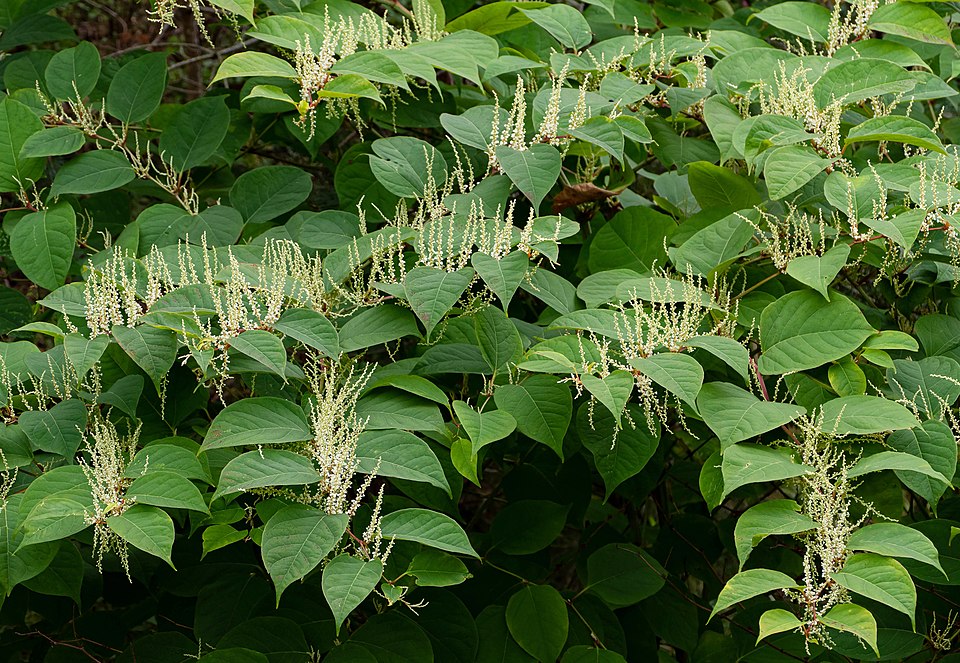
Japanese knotweed
- Bamboo-like hollow, reddish stems, 4-10 ft tall
- Broad, shovel/heart-shaped leaves in a zig-zag pattern
- Sprays of tiny creamy-white flowers in late summer
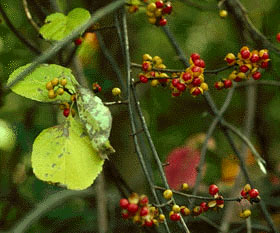
Oriental bittersweet
- Woody vine that twines up and strangles trees
- Round, finely toothed leaves
- Berries grow along the stem; yellow capsules split to show red insides in fall
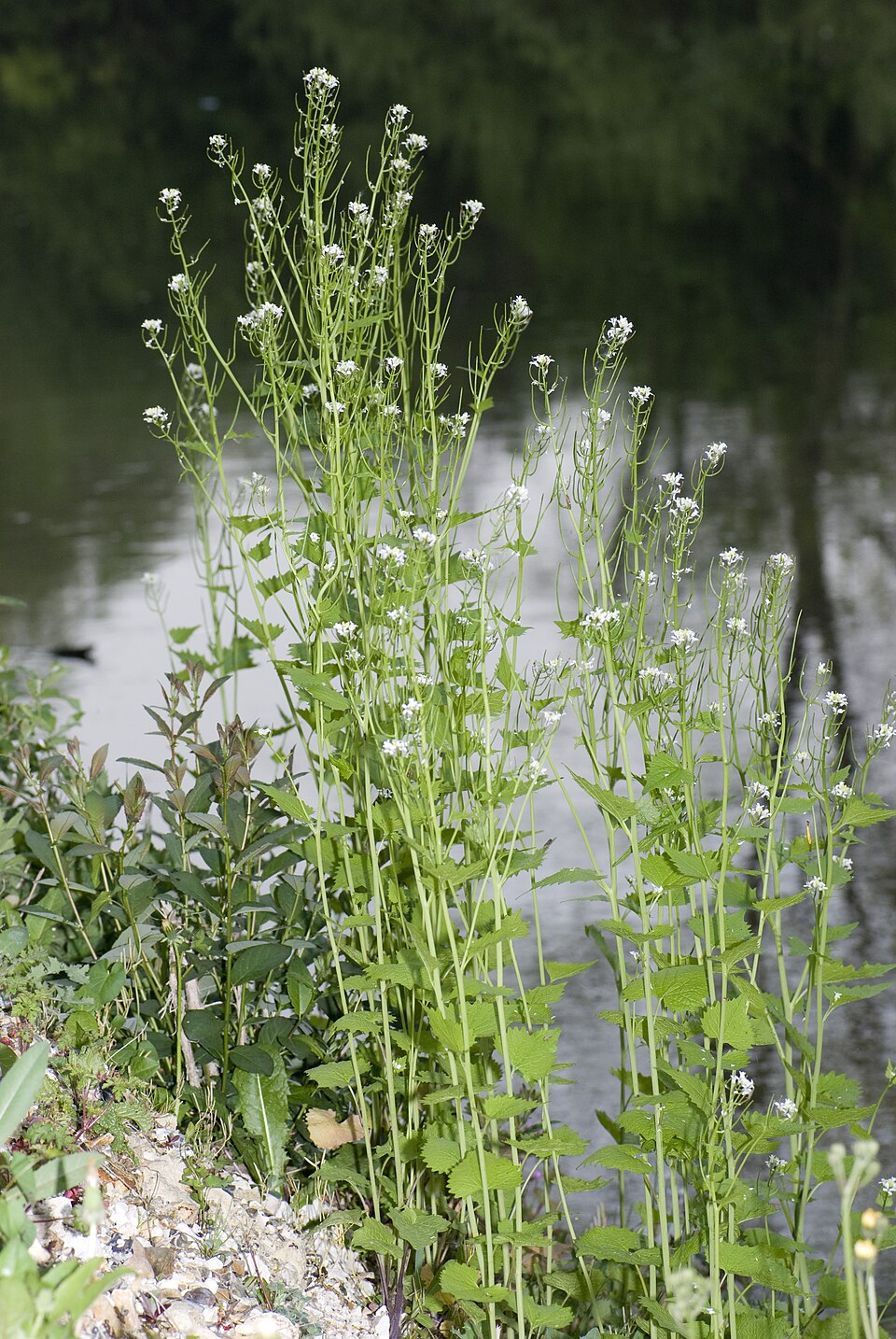
Garlic mustard
- Year 1: low rosette of round, scalloped leaves
- Year 2: 1-3 ft stalk with small 4-petal white flowers in spring
- Triangular, toothed leaves that smell like garlic when crushed
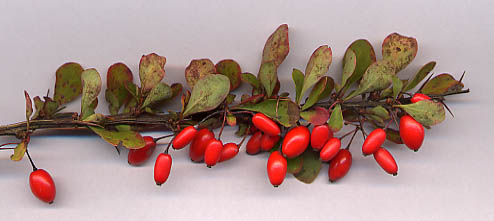
Japanese barberry
- Spiny shrub, 2-8 ft, with small oval leaves in tight clusters
- A single sharp spine at each leaf cluster; bright yellow inner wood
- Leafs out very early in spring; bright red oblong berries in fall and winter
Start here: six things anyone can do
1 · Learn to identify
Know the four species on sight (see the Overview). Correct ID prevents pulling native look-alikes by mistake.
2 · Don't spread them
Clean soil, seeds, and plant fragments off boots, tools, bike tires, and pets before leaving a site. Tiny knotweed fragments and garlic-mustard seeds travel easily.
3 · Dispose carefully
Bag invasive material and put it in the trash. Do not compost it, and never dump yard waste in the woods, because both start new infestations.
4 · Report sightings
Log plants with the iNaturalist or EDDMapS app. Reports build the regional map that tells everyone where to act.
5 · Choose & plant native
Never plant these species or use them in décor (bittersweet wreaths spread seeds). Replace them with native alternatives and replant after removals.
6 · Get permission first
Only remove plants on land with the owner's permission, and join organized, supervised removal events when possible.
How to treat each species
Garlic mustard (Alliaria petiolata), the beginner-friendly one
- Hand-pull in spring, before seeds set (when flowering). The roots are shallow, so lift out the whole root.
- Bag and trash pulled plants; they can still ripen seed after pulling, so do not leave them on the ground or compost them.
- Come back for several years. Seeds survive in the soil 5+ years, so the same patch needs repeat visits.
- Great for a group: a supervised spring "garlic mustard pull" clears a lot fast.
Oriental bittersweet (Celastrus orbiculatus), the climbing vine
- Pull or dig out small plants, removing as much root as possible.
- For vines climbing trees, cut the stem near the ground to save the tree. Do not yank the vines down from the canopy though. That is dangerous and it damages the tree, so let the upper vine die in place.
- Cutting alone causes resprouting, so established vines usually need a cut-stem herbicide treatment, which is best done by a knowledgeable adult following the product label and state rules.
- Bag the berries (birds spread them) and never use the fruiting vines for wreaths or decorations.
Japanese knotweed (Reynoutria japonica): get help for big stands
- This is the hardest to control: a fingernail-sized rhizome or stem fragment can start a new plant. Never mow it, cut and leave it, compost it, or move its soil.
- Small or new patches: cut repeatedly through the season for several years to exhaust the roots, or dig out every piece of rhizome.
- Large established stands typically need professional treatment (stem injection or foliar herbicide) over multiple years.
- Near streams or wetlands, herbicide work requires a licensed applicator and CT permits. Report these stands and bring in professionals rather than tackling them alone.
Japanese barberry (Berberis thunbergii): wear gloves
- Pull or dig out small and medium plants, roots and all. The spines are sharp, so wear thick gloves; a weed wrench helps with bigger shrubs.
- Remove it before the red berries form (birds spread them), and bag any berries.
- For large thickets, cut the stems and treat the stumps, or return to pull resprouts. Clearing barberry thickets has a bonus: it also lowers local tick numbers.
- Tip for finding it: barberry leafs out very early in spring and has bright yellow inner wood, which makes it easy to spot and confirm.
Plant native instead
Removing an invader leaves bare ground that it, or another weed, will quickly refill, so the best next step is to plant natives that fill the same role and feed local wildlife. Good choices for northwest and central Connecticut:
| Instead of… | Plant these natives | Why it works |
|---|---|---|
| Japanese knotweed | Red-osier dogwood (Cornus sericea), American elderberry (Sambucus canadensis), ninebark (Physocarpus opulifolius), winterberry (Ilex verticillata) | Fast, thicket-forming shrubs that hold stream banks and feed birds. |
| Oriental bittersweet | Virginia creeper (Parthenocissus quinquefolia), American bittersweet (Celastrus scandens), coral honeysuckle (Lonicera sempervirens), virgin's bower (Clematis virginiana) | Native climbers with berries and flowers for wildlife that won't strangle trees. |
| Garlic mustard | Wild ginger (Asarum canadense), foamflower (Tiarella cordifolia), wild geranium (Geranium maculatum), Pennsylvania sedge (Carex pensylvanica) | Shade-loving groundcovers that blanket the forest floor and crowd out reinvaders. |
| Japanese barberry | Winterberry (Ilex verticillata), red chokeberry (Aronia arbutifolia), Virginia sweetspire (Itea virginica), lowbush blueberry (Vaccinium angustifolium) | Native shrubs that fill the understory and hedge role, with berries for wildlife. |
A local nursery or land trust can confirm the best choices for a specific spot. One caution: plant American bittersweet only where the invasive Oriental species is absent, since the two can hybridize.
Who can do what
Students & classes
- Run a supervised garlic-mustard pull in spring.
- Map sightings on iNaturalist as a class dataset.
- Share ID guides and this site with classmates and neighbors.
- Help replant natives after a removal.
Local residents
- Check property edges, roadsides, and stream banks first, since that is where these spread.
- Remove small, new patches early (far easier than big stands).
- Swap invasive landscaping for native plants.
- Hire a licensed applicator for large knotweed or any herbicide near water.
Everyone, every visit
- Stay on trails to avoid creating new disturbed edges.
- Brush off boots and gear before leaving.
- Snap a photo and report anything new.
- Spread the word, not the seeds.
Report it & learn more
- Report sightings: iNaturalist · EDDMapS
- Connecticut guidance & events: CT Invasive Plants Working Group (UConn)
- State info & regulations: CT DEEP
- Native plant alternatives: ask a local nursery or land trust for region-appropriate species.
- Handout: printable one-page field-ID flyer to share at events.